


THE GLASS ISLAND AND THE FEET OF CLAY
In the ancient of days, far to the south of Atlantis, there lay an island named Pristina, nestled in the heart of a vast, azure ocean. Pristina was a wondrous anomaly: its entire ground was made of solid, crystal-clear glass. In the beginning, the island belonged to a tribe of barefoot people who lived in perfect harmony with the pristine, unblemished ground beneath them.
However, an era of upheaval swept through Atlantis, and groups of seafaring strangers wearing shoes arrived upon the island. Seeing these outsiders, the tribal chiefs gathered in council and decreed a simple law of the island: “Whosoever wishes to enter must possess clean feet.” Naturally, having traveled aboard ships, the strangers’ shoes were entirely free of mud, and so they were permitted to step ashore.
Yet, there was one thing the chiefs failed to foresee: though these outsiders brought no mud, they silently carried weapons. Thus, the tribal chiefs could only watch in bitter sorrow as the newcomers seized control of the island. Over time, more shod strangers arrived. Armed with the intelligence and science of Atlantis, these shoed rulers transformed Pristina into a sparkling, spotless paradise. The inhabitants lived in joy and tranquility, plucking sweet fruits from the trees and drinking from flowing springs. Because the ground was made of glass, no one could dig into it to hoard or claim ownership of “land.” Consequently, their minds and culture remained unburdened; everything was transparent, just, and serene. It was, in truth, a paradise on earth that everyone yearned to reach.
Rumors of the Glass Island soon rippled out to distant lands—realms where the ground was nothing but muddy mires, where men trampled over one another, hoarding blocks of clay to build houses, ramparts, tombs, and borders to assert their territory, status, and power. In those places, the price of a mere handful of clay was often costlier than a human life, and injustice ran rampant.
The wealthiest and most “successful” tycoons of the mud mire began boarding ships for Pristina. They were weary of the filth and inequity of their homelands. They hungered for the spotless transparency of the glass island they had so long dreamt of.
By this time, the shoed rulers of Pristina had grown wiser. Anyone wishing to step onto the island not only had to have clean feet, but they were also subjected to rigorous searches to ensure no weapons were smuggled ashore. To curb the swelling crowds, the rulers became exceedingly strict in selecting and permitting entry to the island.
Eventually, the rulers enacted a new law: whosoever wished to set foot upon the island had to possess a vast fortune to… buy shoes. Suddenly, shoes became as expensive as coats of sheepskin, yet the people from the muddy mires still flocked there in droves. Naturally, they wore these shoes to conceal their filth-laden feet.
However, a grave problem arose: the newcomers could not abandon their ancient habits. The moment they stepped onto the shimmering surface of Pristina, instead of savoring its purity and enjoying a peaceful life, they felt a deep sense of insecurity because… there was no land to own. Secretly, they began smuggling pouches of mud and clay from their homeland in their baggage. Some even sought out secluded corners, using hammers to shatter the glass ground in a desperate search for earth.
Gradually, they began smearing mud over the transparent glass, carving out “plots of land” for themselves. They boasted to one another: “Look here! This spot is now my property. Because it contains earth, its value is far higher than those empty, barren stretches of glass.”
And so, a madness for real estate erupted. Those who arrived later, instead of foraging for fruit, threw themselves into fighting over the mud plots laid out by the first comers. The prices of these muddy plots on a glass foundation began to skyrocket to absurd heights. The indigenous barefoot people of Pristina, who had always lived lightly and without worry, found themselves with no place left to stand. The mire had been smeared and splattered everywhere. Some were forced to put on shoes just to squeeze into the crowds, listening in disbelief to the exorbitant prices they would have to pay—starving themselves for half a lifetime—just to own a plot.
Before long, the transparent glass surface vanished entirely beneath a thick, foul-smelling, and slippery layer of mud. The speculators sat atop their piles of filth, looking at one another with pride, yet trembling with fear deep within their hearts. For they suddenly realized: the spectacle surrounding them now—from the stench of the mire to the choking oppression and systemic injustice—was identical to the very quagmire they had once spent fortunes to escape.
It was only then that everyone realized the paradise of Atlantis had never truly vanished; it was merely buried beneath the weight of their own greedy egos and the muddy mindset they had carried in their luggage.

AUTHOR
OTHER STORIES
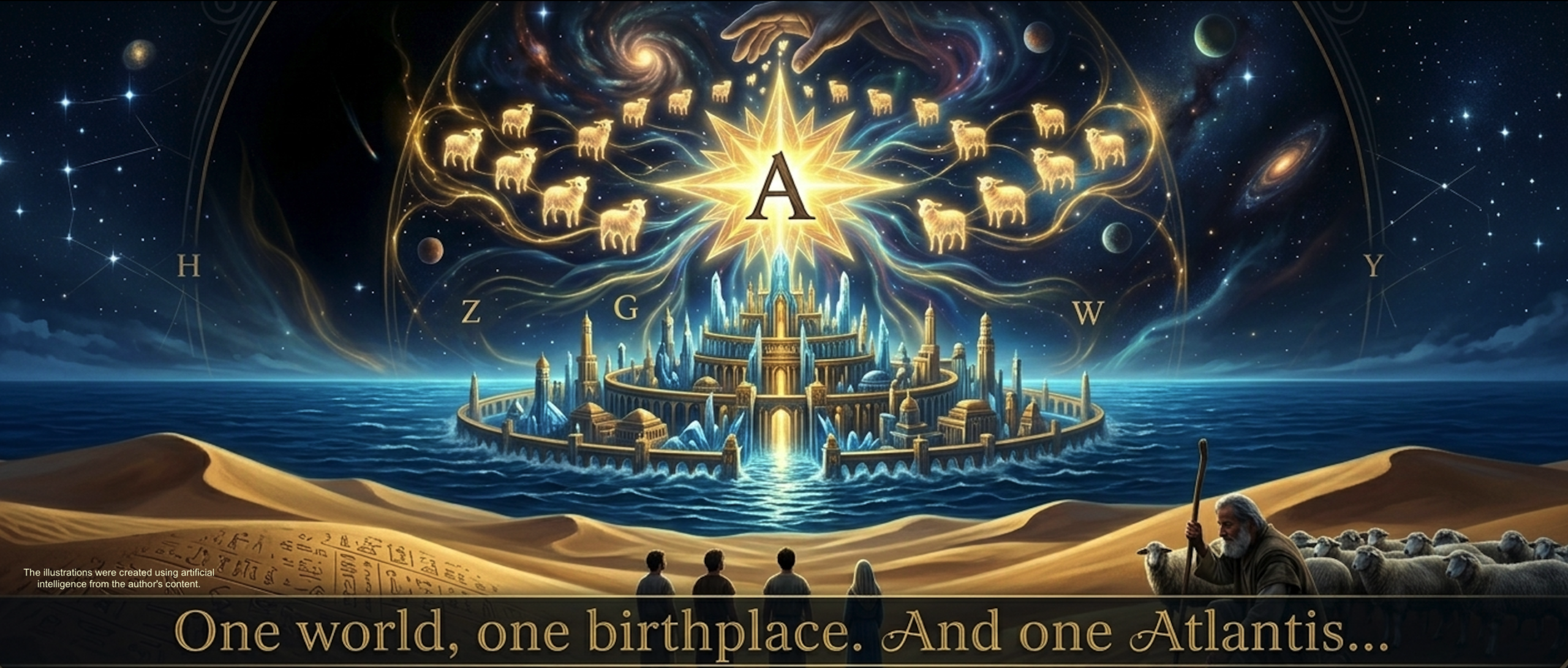
THE SECRET ATLANTIS
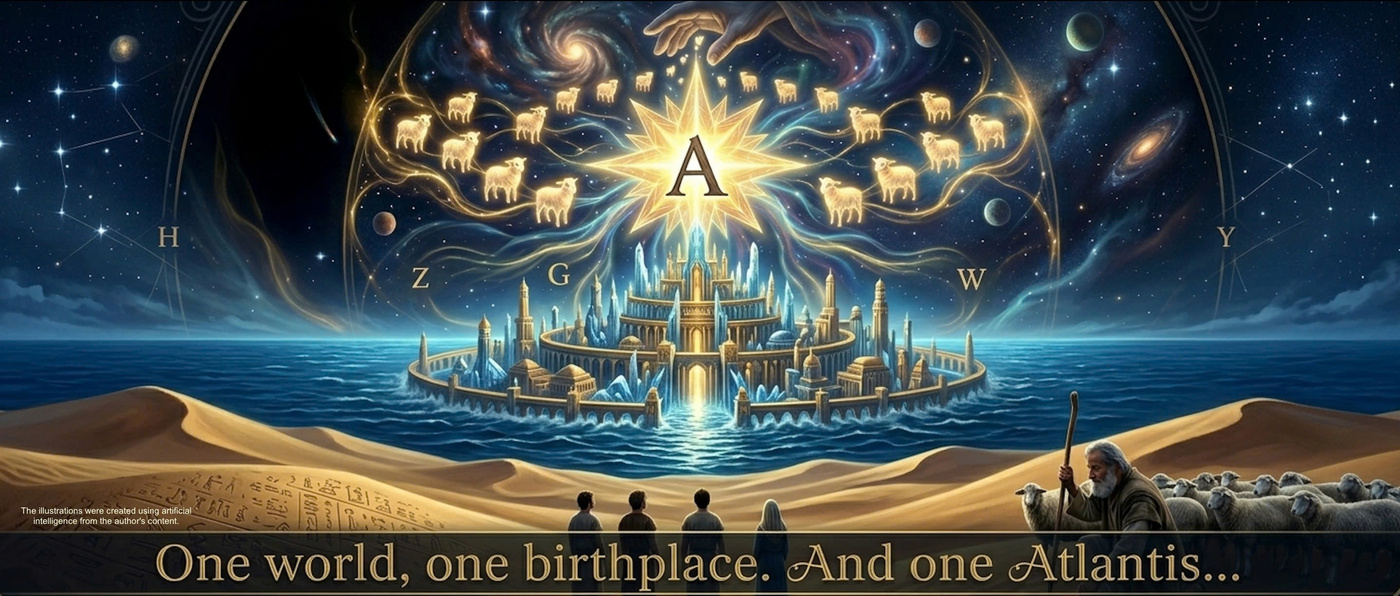
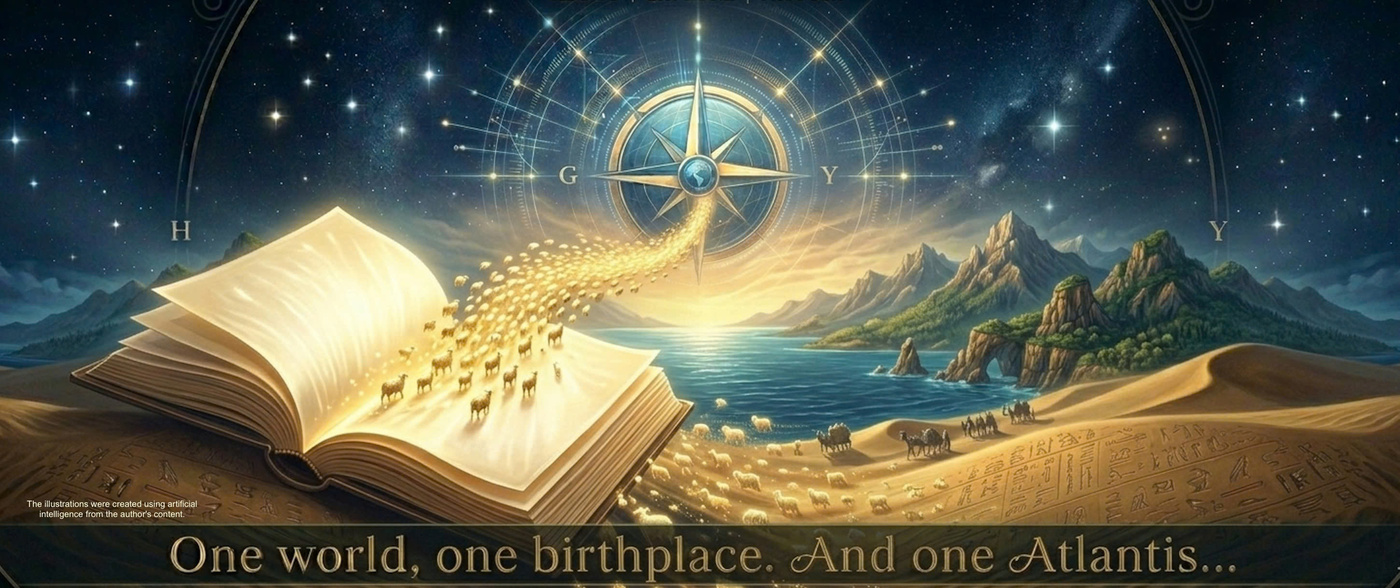
One world, one birthplace. And one Atlantis…
Could we truly exist and persevere in this world without the Divine Light, and the nurturing care of the boundless love of a mother? Each of us was once a minuscule and fragile being, utterly dependent on love and care to thrive. Yet upon reaching adulthood, we sometimes succumb to illusions about our own strength – delusions of status, power, wealth, and fame. Driven by these fantasies, we drift away from compassion, inciting conflict and devastating wars, tearing apart families, inflicting grief upon mothers and even those tiny, fragile beings, forgetting that we were once just like them.
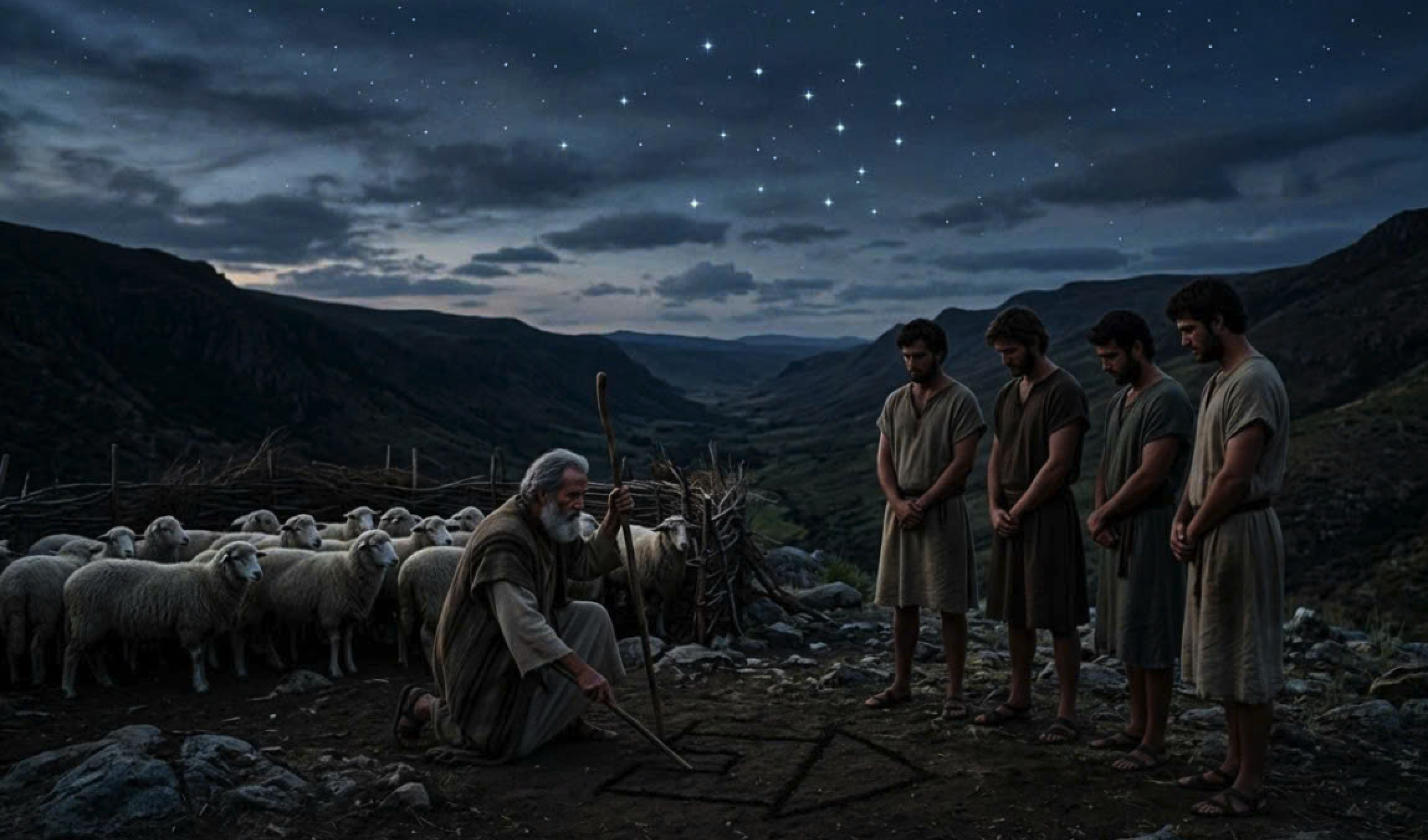
Micae and the Lame Sheep
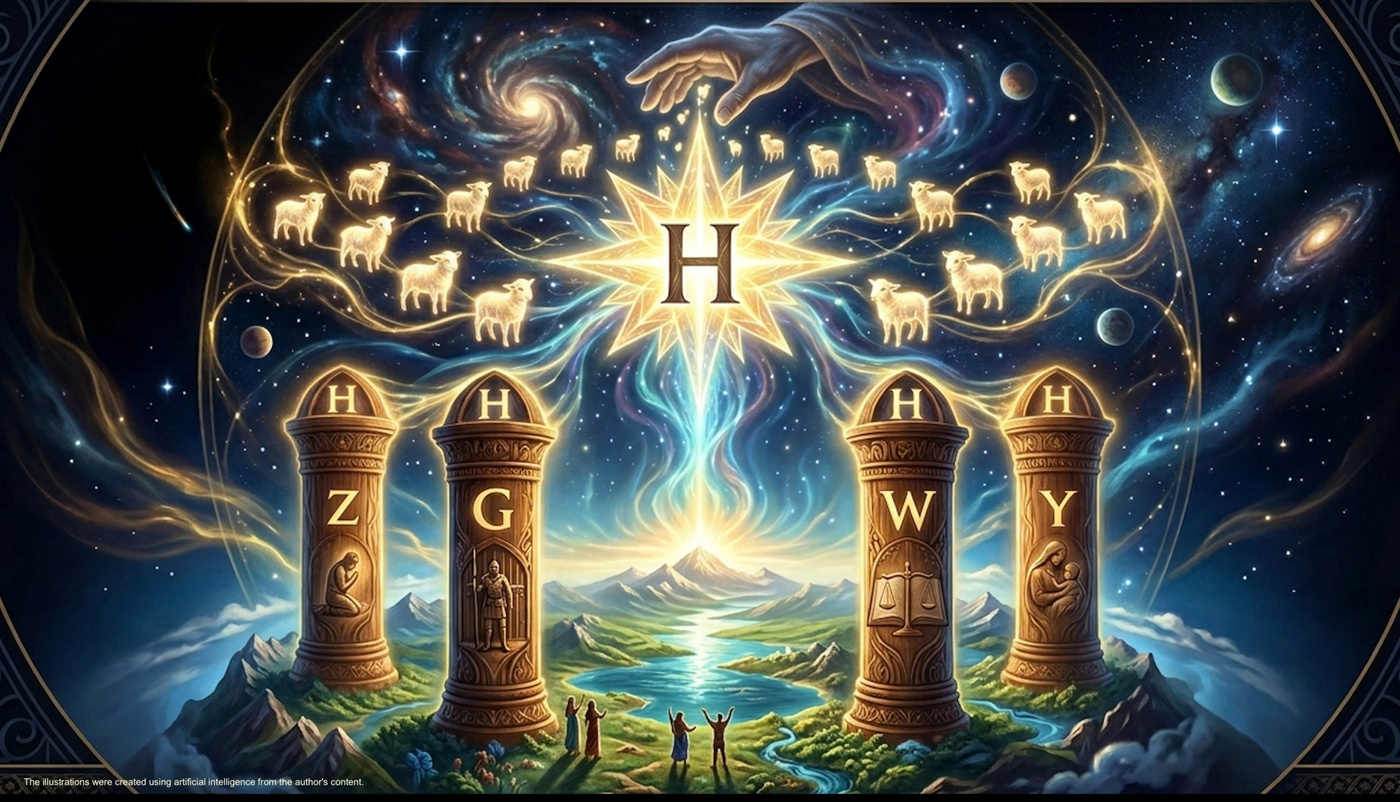
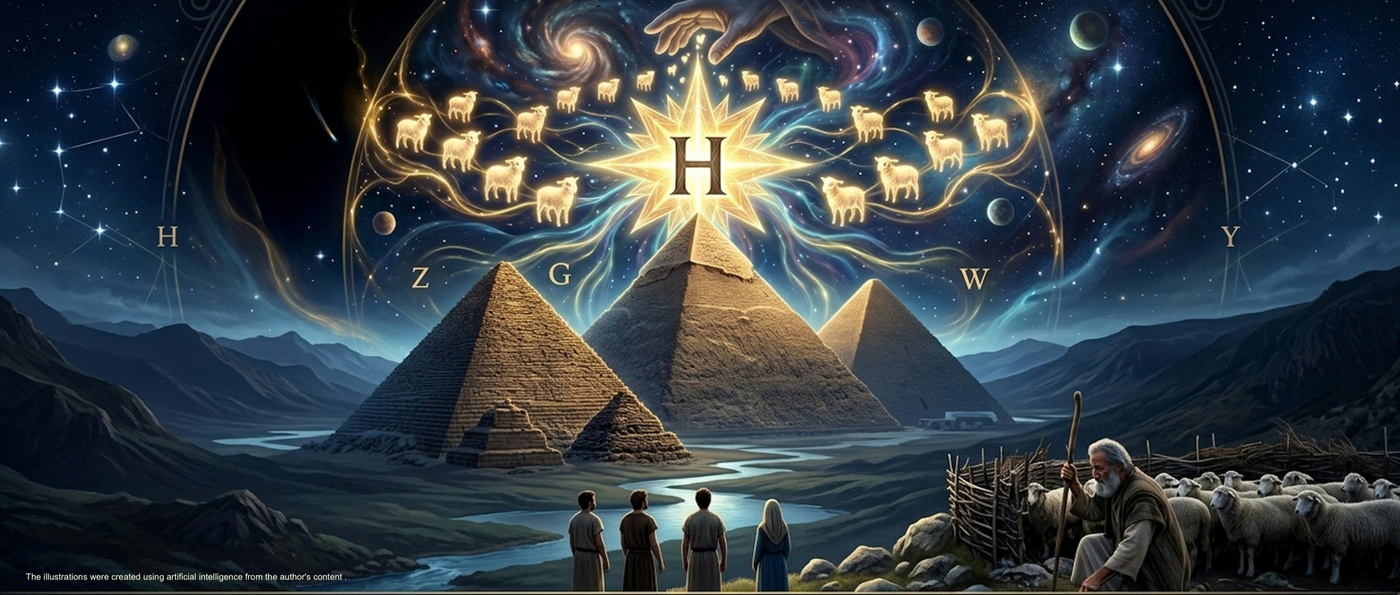
In a remote valley where light and shadow intertwine, there lived a father named Micae. He was not merely a shepherd but a guardian of life’s profound secrets. He had four sons, whom he named after four noble virtues: Humility, Integrity, Order, and Compassion.Beside his four sons, Micae’s only wealth was a flock of 17 sheep. In his eyes, the flock was a miniature universe where each sheep held its own place and purpose. Yet, within the flock, there was a poor sheep with a withered leg. Because of its limp, it always moved slowly and often fell behind, drifting away from the protection and watchful eyes of the group.