

THE GLASS ISLAND AND THE FEET OF CLAY
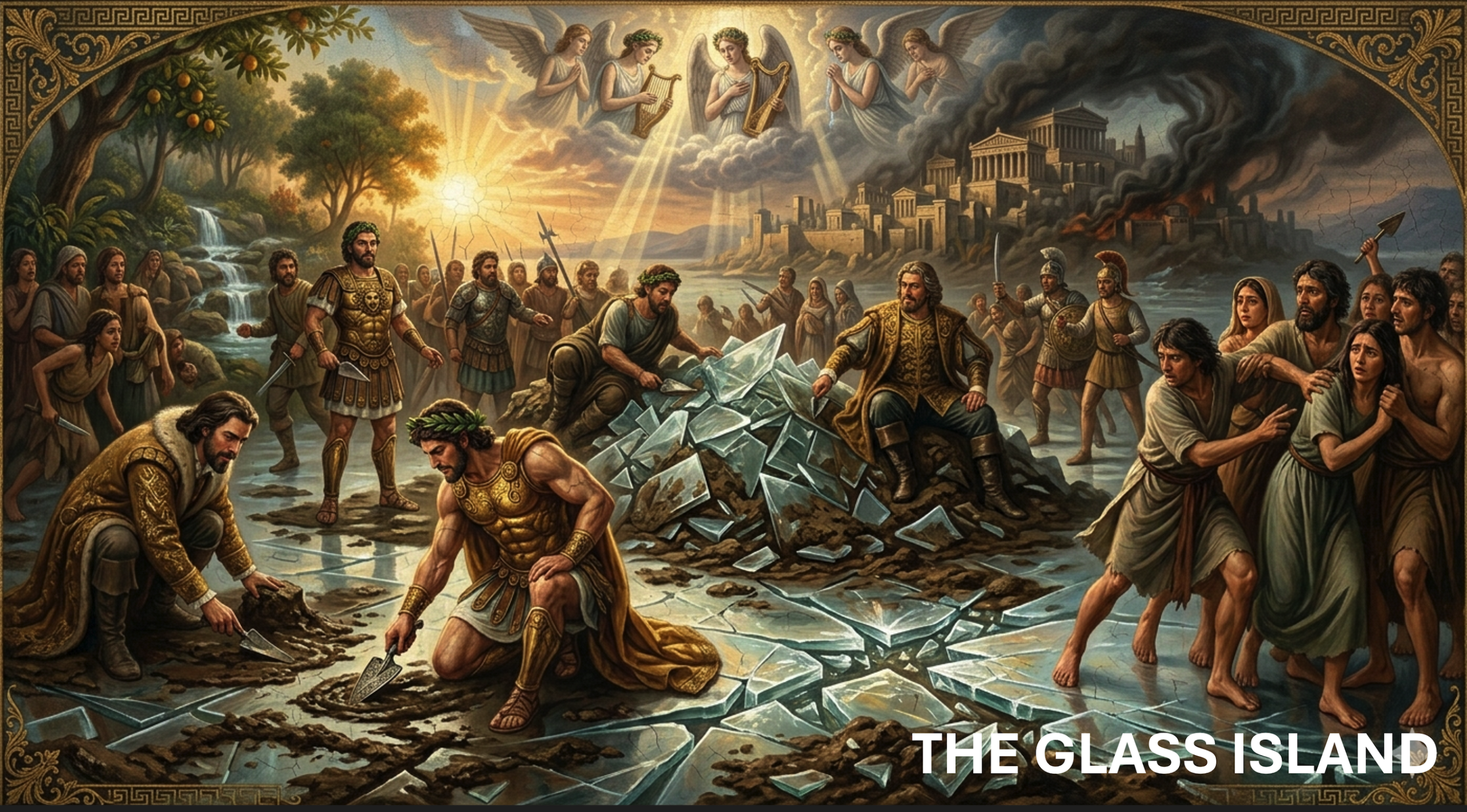
In the ancient of days, far to the south of Atlantis, there lay an island named Pristina, nestled in the heart of a vast, azure ocean. Pristina was a wondrous anomaly: its entire ground was made of solid, crystal-clear glass. In the beginning, the island belonged to a tribe of barefoot people who lived in perfect harmony with the pristine, unblemished ground beneath them.
However, an era of upheaval swept through Atlantis, and groups of seafaring strangers wearing shoes arrived upon the island. Seeing these outsiders, the tribal chiefs gathered in council and decreed a simple law of the island: “Whosoever wishes to enter must possess clean feet.” Naturally, having traveled aboard ships, the strangers’ shoes were entirely free of mud, and so they were permitted to step ashore.
Yet, there was one thing the chiefs failed to foresee: though these outsiders brought no mud, they silently carried weapons. Thus, the tribal chiefs could only watch in bitter sorrow as the newcomers seized control of the island. Over time, more shod strangers arrived. Armed with the intelligence and science of Atlantis, these shoed rulers transformed Pristina into a sparkling, spotless paradise. The inhabitants lived in joy and tranquility, plucking sweet fruits from the trees and drinking from flowing springs. Because the ground was made of glass, no one could dig into it to hoard or claim ownership of “land.” Consequently, their minds and culture remained unburdened; everything was transparent, just, and serene. It was, in truth, a paradise on earth that everyone yearned to reach.
Rumors of the Glass Island soon rippled out to distant lands—realms where the ground was nothing but muddy mires, where men trampled over one another, hoarding blocks of clay to build houses, ramparts, tombs, and borders to assert their territory, status, and power. In those places, the price of a mere handful of clay was often costlier than a human life, and injustice ran rampant.
The wealthiest and most “successful” tycoons of the mud mire began boarding ships for Pristina. They were weary of the filth and inequity of their homelands. They hungered for the spotless transparency of the glass island they had so long dreamt of.
By this time, the shoed rulers of Pristina had grown wiser. Anyone wishing to step onto the island not only had to have clean feet, but they were also subjected to rigorous searches to ensure no weapons were smuggled ashore. To curb the swelling crowds, the rulers became exceedingly strict in selecting and permitting entry to the island.
Eventually, the rulers enacted a new law: whosoever wished to set foot upon the island had to possess a vast fortune to… buy shoes. Suddenly, shoes became as expensive as coats of sheepskin, yet the people from the muddy mires still flocked there in droves. Naturally, they wore these shoes to conceal their filth-laden feet.
However, a grave problem arose: the newcomers could not abandon their ancient habits. The moment they stepped onto the shimmering surface of Pristina, instead of savoring its purity and enjoying a peaceful life, they felt a deep sense of insecurity because… there was no land to own. Secretly, they began smuggling pouches of mud and clay from their homeland in their baggage. Some even sought out secluded corners, using hammers to shatter the glass ground in a desperate search for earth.
Gradually, they began smearing mud over the transparent glass, carving out “plots of land” for themselves. They boasted to one another: “Look here! This spot is now my property. Because it contains earth, its value is far higher than those empty, barren stretches of glass.”
And so, a madness for real estate erupted. Those who arrived later, instead of foraging for fruit, threw themselves into fighting over the mud plots laid out by the first comers. The prices of these muddy plots on a glass foundation began to skyrocket to absurd heights. The indigenous barefoot people of Pristina, who had always lived lightly and without worry, found themselves with no place left to stand. The mire had been smeared and splattered everywhere. Some were forced to put on shoes just to squeeze into the crowds, listening in disbelief to the exorbitant prices they would have to pay—starving themselves for half a lifetime—just to own a plot.
Before long, the transparent glass surface vanished entirely beneath a thick, foul-smelling, and slippery layer of mud. The speculators sat atop their piles of filth, looking at one another with pride, yet trembling with fear deep within their hearts. For they suddenly realized: the spectacle surrounding them now—from the stench of the mire to the choking oppression and systemic injustice—was identical to the very quagmire they had once spent fortunes to escape.
It was only then that everyone realized the paradise of Atlantis had never truly vanished; it was merely buried beneath the weight of their own greedy egos and the muddy mindset they had carried in their luggage.
THE STORY OF THE GARDEN AND THE RAGE.
I would like to tell you a true story, one that has unfolded time and again in the ancient past, continues to play out in the present, and may very well repeat itself in the future.
The story begins with a wealthy, generous, and deeply compassionate master. He devoted his time and mind to cultivating and collecting a breathtakingly beautiful garden, overflowing with fruits and varied landscapes. Every weekend, he would come to gaze upon this harmonious creation he had so painstakingly arranged, his countenance filled with satisfaction and fulfillment. In the gentle stillness, he would immerse himself in the garden to savor the fruits of his own labor.
But before long, he remembered a task left unfinished. Being a busy man whose life revolved around seeds and gardens, he had much work to attend to in many other places, all of which constantly required his presence and care. To safeguard the garden he held so dear during his absence, he initially devised a plan: he crossed two wooden beams, packed them with clay mixed with straw, and fashioned a scarecrow standing with outstretched arms to keep watch. Still unsettled, he spent nearly the rest of his weekend creating a second figure, far more flawless and lifelike than the first. He reasoned that if any malicious trespassers cast an eye upon his domain, seeing these figures from afar, they would assume he was present and turn away.
At first, this remedy proved effective, yet it did not endure as long as he had hoped. Upon returning each weekend, he discovered that his garden had been breached and vandalized by wicked hands; the standing figures had been tampered with, displaced, and altered in strange ways. Contrary to its original, beautiful purpose, the estate began to bring him more anxiety and sorrow than joy.
One day, while walking through his estate, he chanced upon a man and a woman, seemingly husband and wife, rushing into his garden in a frantic panic. The master was momentarily taken aback, unsure of where they had come from. Yet, observing their cowering, fearful, ragged, and filthy appearance, he surmised they must have committed a grave offense and were fleeing for their lives.
Upon his gentle interrogation, the couple shamefully confessed that they had fallen in love. Having crossed the boundaries of intimacy before receiving a formal blessing, they were cursed, condemned, and cast out by society, left without a single place to call home. Truth be told, according to the tenets of his time, this was deemed a grievous sin, and the master himself did not condone it. Nevertheless, moved by his inherent compassion, he could not bring himself to reproach them any further. Instead, he looked upon them with an eye of deep pity and sorrow.
He sighed and said:
“Let it be so, then. Since there is no path of retreat left for you, remain here and build a shelter in that far corner. I entrust this beautiful garden into your hands. Respect this sanctuary, just as you respect the labor of my own creation and arrangement. This vast land is broad enough to shelter and sustain you for a long time. You may eat of the fruits and enjoy the produce of this place, but remember to take only what you need. Do not, out of laziness or greed, seek only to indulge; care for and enrich this garden on my behalf while I am away. Do not foolishly bring harm to the crown jewel of my life’s work. Remember my words well, for if you do not, upon my return, I shall hold you accountable and pass judgment.”
Many years passed, and the master of the garden journeyed to parts unknown. The couple of yesteryear grew old and frail, and for a very long time, the familiar figure of their benevolent master never returned to visit. Their children grew up, wed, established their own livelihoods, and bore many descendants. The old couple, now grandparents, would often recount the tale of old to their children and grandchildren, never failing to enjoin them to engrave the master’s ancient commandments upon their hearts. Thus time drifted silently by, subtly altering the hearts of men and washing away the primitive covenants of the dawn.
Among the descendants spanning several generations, a select few still preserved and revered the tale of the master. But others fell prey to the temptations of wicked forces. Driven by arrogance, overweening vanity, or perhaps a selfish desire to forget, they convinced themselves that the master of the garden was no longer of this world. And so, they gradually began to view themselves as the true owners of the land. At first, they squandered and fought over the fruits of the earth, eventually escalating to mutual slaughter to carve out boundaries based on the raw power of the victor over the vanquished. Together, they plundered, exterminated the beasts, and stripped the orchards, leaving the garden shattered and fractured into pieces, without a shred of remorse for the grace of the one who had meticulously brought it into being.
Yet the truth remained: the master of the garden had never gone far. He was always close at hand, sometimes walking silently among the pathways. He observed all and understood everything. However, being an immensely generous, magnanimous, and wealthy soul, he possessed all things—including the boundless expanse of time. He refused to manifest himself merely to squabble over material possessions with creatures so shortsighted, sinful, and small. Come what may, the garden belonged to him and would forever remain his. That sovereign ownership had been eternally established; therefore, no matter how vast the greed of those descendants grew, it could never alter the truth.
A long age thereafter, when the garden was crisscrossed with countless wounds, the master, unable to endure it any longer, dispatched several of his trusted servants to enter the garden and remind mankind of their duty to honor the Creator. Yet, grievously, by then, only a precious few remembered the ancient decree. More infuriatingly, the rest not only refused to acknowledge the message but displayed outright insolence toward those whom the master had sent. Blinded by ignorance and folly, intertwined with a spirit of wanton lawlessness, greed, and malice, they bound, imprisoned, and slaughtered the master’s representatives. They remained utterly oblivious to the catastrophic doom lying in wait for their defiant and sacrilegious deeds.
Above the garden lay the headwaters of a mighty river. When constructing this realm, the master had built a colossal reservoir dam upstream to ensure an eternal source of life-giving water for irrigation, and he would often sit there to cast his eyes across the panoramic view below. When the grim tidings of his servants’ slaughter reached him, the master of the garden was consumed by a righteous and terrifying fury. In his absolute wrath, he threw open the floodgates, unleashing a roaring deluge that swept away dwellings and submerged the rebellious souls below, seeking to cleanse every defilement from his borders.
Yet, as the storm of his anger subsided, the enduring grace and love native to his heart swelled once more. He resolved to grant those frail mortals another chance to resurrect and live upon his soil.
With the passage of time, even the greatest cataclysms faded into oblivion. This was truer still for the ungrateful, who willfully chose to forget where the very source of their existence had begun.
The master of the garden continued to look down from on high, his heart heavy with the bittersweet memories of beauty and sorrow. As the years rolled on, he pushed aside his grief to find solace in the profound wells of compassion within his chest. Until an era arrived when he beheld his garden once more engulfed in the smoke and fire of bloody slaughters and mutual destruction among wretched human beings who shared the same root. Moved once more by a love without borders, he sent his only son down into the garden, to live an ordinary life among them, so that he might truly understand and empathize with their world of suffering.
Day after day, the master turned his gaze toward the mortal realm, steeling his heart as he watched his son grow to manhood amidst the material scarcity of mankind. Yet, unlike those around him, within this son—born of boundless mercy and innate goodness—dwelt an enlightened, all-knowing, and expansive spirit. The master came to realize: it is not material abundance that enlightens mankind, nor is it destitution that condemns them to ignorance. Rather, it is these very suffering souls who desperately need to be led by the light of grace and human kindness.
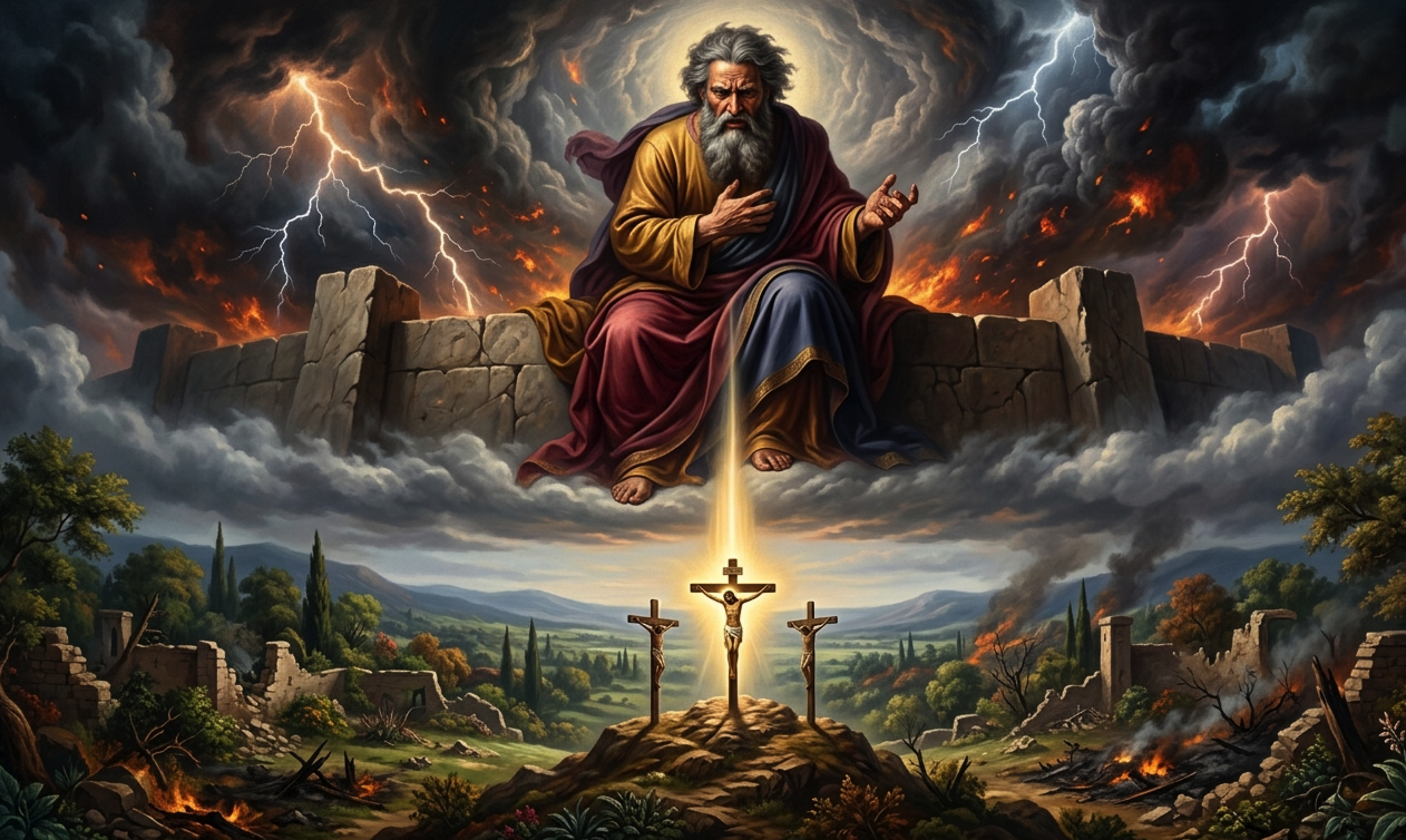
One day, as was his custom, the master sat upon the heights, lost in deep contemplation as currents of thought surged through his divine mind. His gaze drifted aimlessly across the garden when suddenly his brow furrowed, his eyes locking onto a strange sight. There stood beams of wood crossed together, erected vertically into the shape of a cross—the exact likeness of the scarecrows with outstretched arms he had fashioned to guard his garden in the absolute beginning.
He thought to himself: “Could it be that they heard the tales and came to know of my guardians of old? And now, through the enlightenment of my son, they have raised these symbols to protect my garden?”
Yet, before a glimmer of joy could even grace his countenance, his smile froze. His expression turned pale, his eyes piercing deep into the void as his heart swelled with an unmitigated, absolute fury.
He realized with horror that these were not figures meant to protect the garden as he had fondly imagined. They were wooden crosses raised to execute condemned men. To be exact, they were three wooden gibbets used to nail and execute wretched souls by the hands of their own brethren. And most agonizingly of all, his own son was among them. The son of the master of the garden had been humiliated, tortured, and put to death by the very squatters who had usurped his estate…
In his raging fury, the master of the garden shrieked a singular question into the void: “Why?” He bitterly recognized that there existed a certain law, absolute and merciless, that overshadowed all things—greater than the garden, and greater even than himself.
His thunderous voice threatened to tear the heavens asunder. From the pinnacle of his wrath, he prepared to rain down a catastrophic retribution unlike any before, to burn the entire garden to ashes along with the treacherous race of men.
But at that very moment, a deep, gentle, and hauntingly beautiful melody echoed from below, reaching his ears:
“Father, stay your anger. I beseech You, grant the people here one more chance. They are more to be pitied than blamed, for they know not who I am, and they know not You. My sacrifice here is the only way to awaken their long-slumbering conscience, to show them a path by which they may return to You. I shall return, and I shall abide by Your side forevermore…”
Clearly, if the story were to end here, it would not be a tale worth my telling, nor would it be worth your listening. But it has been preserved because this ending is, in truth, merely the prelude to a much longer chronicle that has radiated to every corner of the earth. And its ultimate conclusion, regardless of the epoch, invariably proves one thing: that which springs from grace, love, and righteousness shall endure, undying and immortal.
Yet, even this is not the final conclusion. For mankind lives but a short hour and is inherently prone to amnesia. Those crossed wooden beams, bearing the grim silhouette of the crucifix, continue to rise proudly in many places, casting a shadow of defiance over all—though not always for a just or righteous cause as they did at the beginning.
And after a very long time, because mankind has continuously ignored the gentle warnings sent down from the master of the garden, the sparks of a terrible wrath have once again begun to gather. Perhaps, only when the sledgehammer comes crashing down right before their eyes will these fragile, fleeting human beings awaken once more.
History may hold many different versions and various ways of telling, but no matter what, this garden was not made by our hands, nor did it ever merely appear by chance.
THIEN NHAN
THE BOX – THE ORIGIN OF SIN
In the ancient of days, when heaven and earth were still in primeval chaos,
The Almighty, filled with positive emotions and overflowing with love, created the heavens, the earth, the rivers, the mountains, the flora, and all the beasts upon the ground. He looked upon His grand creation with a satisfied countenance, for everything He had fashioned was good. Furthermore, He bestowed upon all living things a miracle to preserve their lineage, to multiply, to live, and to enjoy everything provided within the magnificent and beautiful creation He had established. To govern the earth, the Almighty created a species of supreme intelligence, superior to all others, bearing the form and attributes of the angels who stood by His side. He granted mankind all manner of plants with fragrant flowers and sweet fruits, and dark, cool caves for shelter—places as beautiful as celestial realms, where majestic waterfalls cascaded like eternal streams of milk to nourish and protect them. Yet, there was one thing the Almighty never wished for mankind to possess: the red flowers, which held a burning heat and a terrible destruction that, at times, could not be controlled.
Nevertheless, when the earth passed through a period of bitter cold, there was a deity who, out of deep pity for mankind, secretly stole a red flower from the Almighty and brought it down to earth, kindling it into embers to keep humans warm.
And from the moment they possessed fire, though mankind was not granted sharp fangs or fierce claws by the Almighty, they began to change gradually. They no longer subsisted solely on fruits but began to devour the flesh of other species, roasting it over the red flowers.
After a time of consuming flesh, the nature of mankind altered. They grew ferocious, decimating many other species created by the Almighty to stand atop the natural food chain, and even slaughtered their own kind to fight for food and territory. The malice arising from this mutual bloodshed transformed into a dark, evil energy, infiltrating the souls of all mankind.
When the Almighty discovered this, He was filled with righteous anger. He ordered a severe punishment for the deity who had covertly given the red flower to mankind. In His wrath, and to punish humanity as well, He caused the waters to rise, creating a catastrophic deluge known as the Great Flood to wipe out mankind and all other species on earth. He sent down rain to extinguish all the red flowers and prepared a divine box to confine all the negative and wicked energies within. Yet, out of mercy for His perfect creations in the Garden of Eden, the Almighty shed a single tear into the box, which transformed into a radiant crystal bearing faith, love, and hope.
Before the waters submerged the earth, the Almighty instructed a righteous mortal to build an ark, preserving a pair of each species upon the earth, so that all living things could be restored once the waters receded and His wrath passed away.
He then hid the box filled with evils deep beneath the ocean floor, so that no one could ever find it again.
However, a demon named Satan had been silently watching the Almighty and knew of the box’s existence.
When the world was reborn and populated once more, this time the Almighty was more merciful and permitted mankind to use the red flowers. But He commanded that humans should ideally eat only fruits and plants. If they must consume flesh, they were only permitted to eat the meat of gentle, herbivorous sheep that He had created, and should avoid wild predators with ferocious instincts. From then on, mankind began a new life and learned to love one another more than before. Thanks to the fire obtained from the red flower, humans gradually developed a brilliant civilization, living in an era of peace and prosperity.
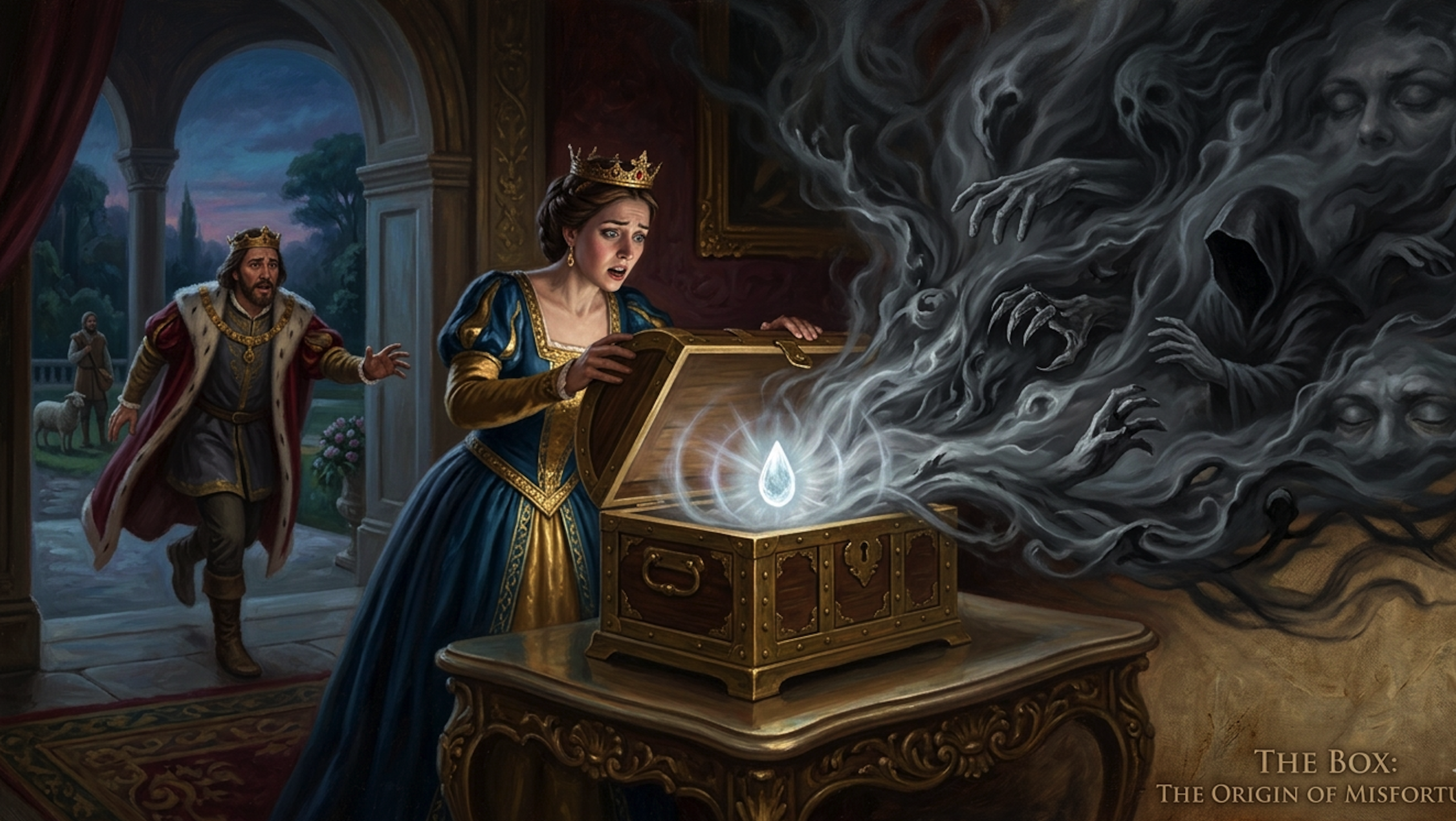
Yet, Satan, desiring to destroy the world created by the Almighty, stealthily descended to the deep ocean floor to seek the box. He caused it to be caught in the nets of fishermen so they would bring it to the surface, and then schemed to manipulate them into presenting it to the queen of a kingdom. The reigning king, seeing the beautiful box of unknown origin, strictly forbade the queen from ever opening it.
But the queen, driven by her own curiosity, disobeyed the king and secretly opened the box. And all the misfortunes of mankind—from the negative energies of the devil, such as insatiable greed, hatred, jealousy, envy, and ignorance, to the plagues of that once-destroyed world—re-emerged. Since that day, those evils have resided within the human soul up to this very moment, and only those who can still touch the sacred tear born from their own suffering, just as the Almighty did, can resist the temptation and dominion of those dark energies.
Thien Nhan (Adapted from Greek Mythology and the Book of Genesis)
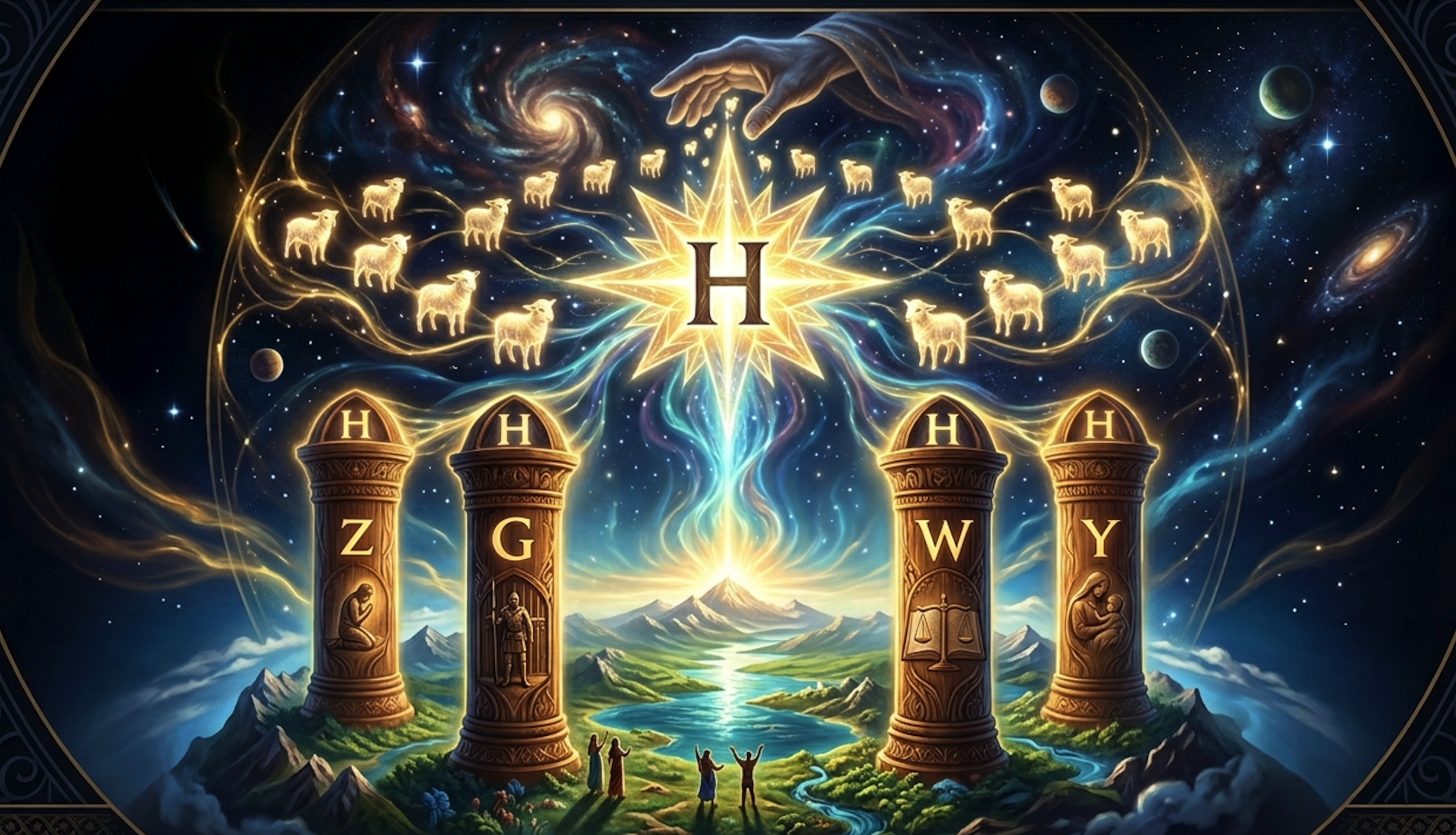
THE BEGINNING OF ATLANTIS MYTH
The Origins Of Sheep Particles.
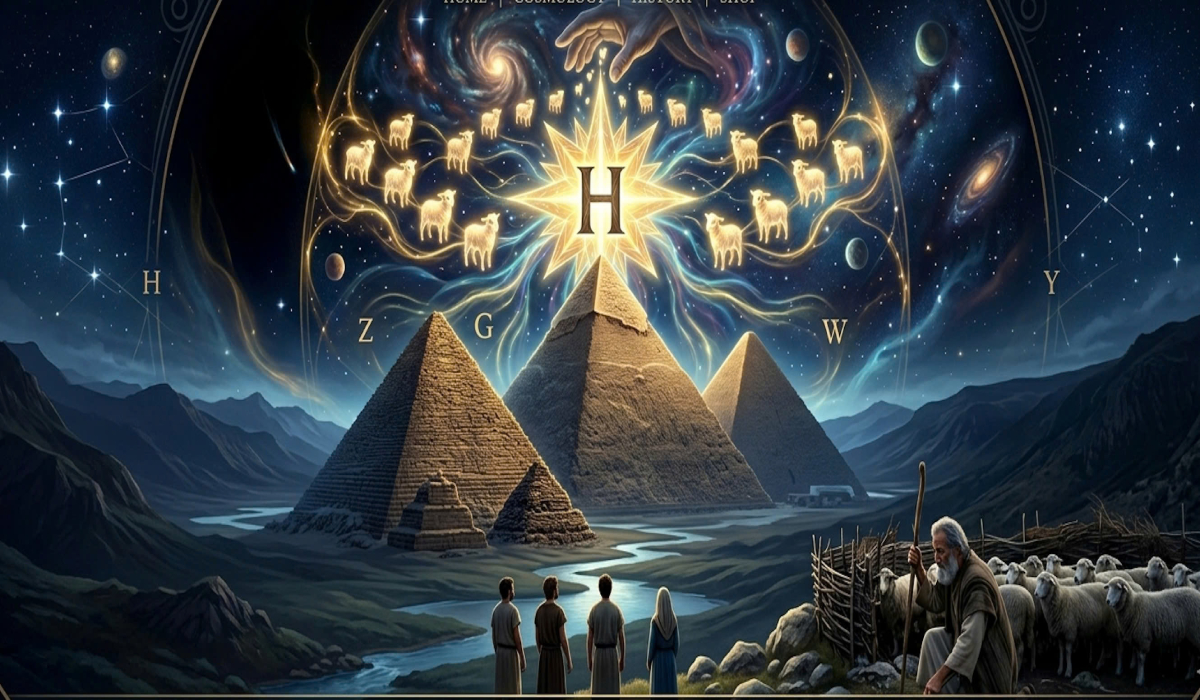
In ancient eons, before time took shape and when space was but an infinite, silent, and dark void, the Creator looked into the abyss and saw only emptiness—a profound sorrow that filled the depths of His heart. Thus, He decided to sow the seeds of life using the Pure Sheep Particles held within His grasp. Opening His divine palm, He released seventeen pure sheep seeds into the endless void.
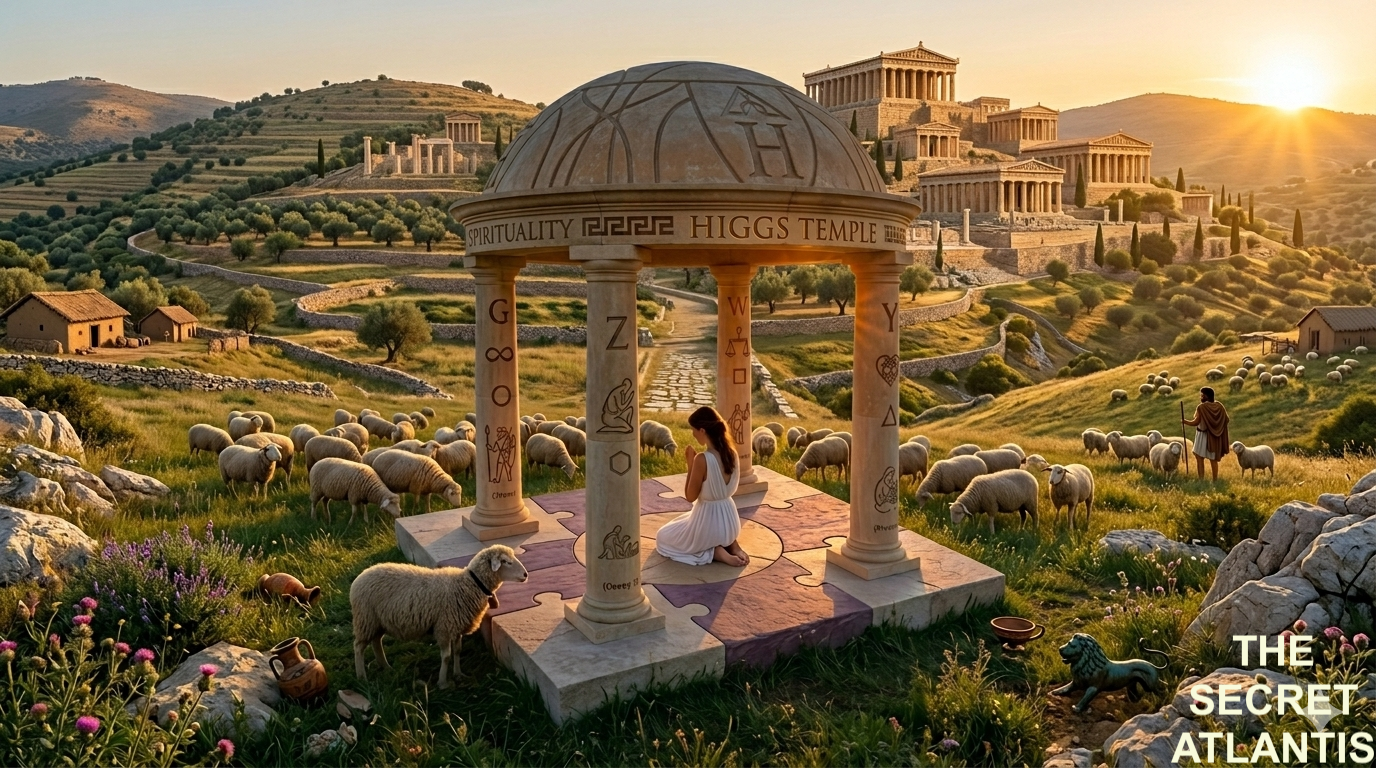
THE SECRET ATLANTIS
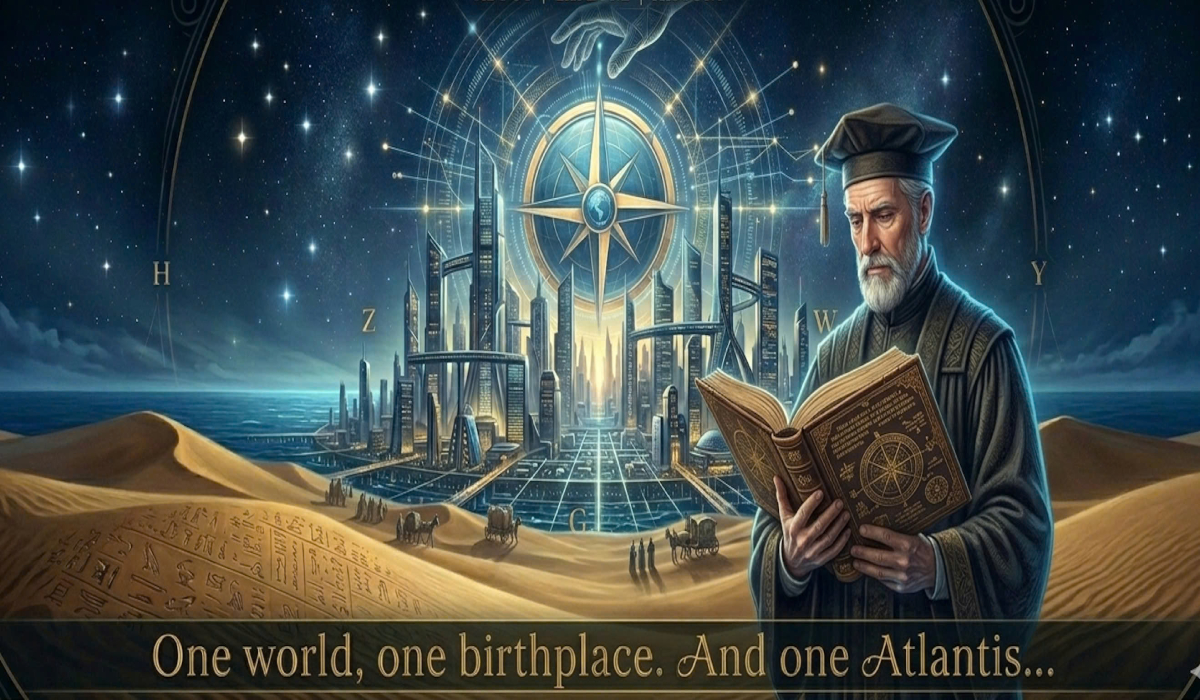
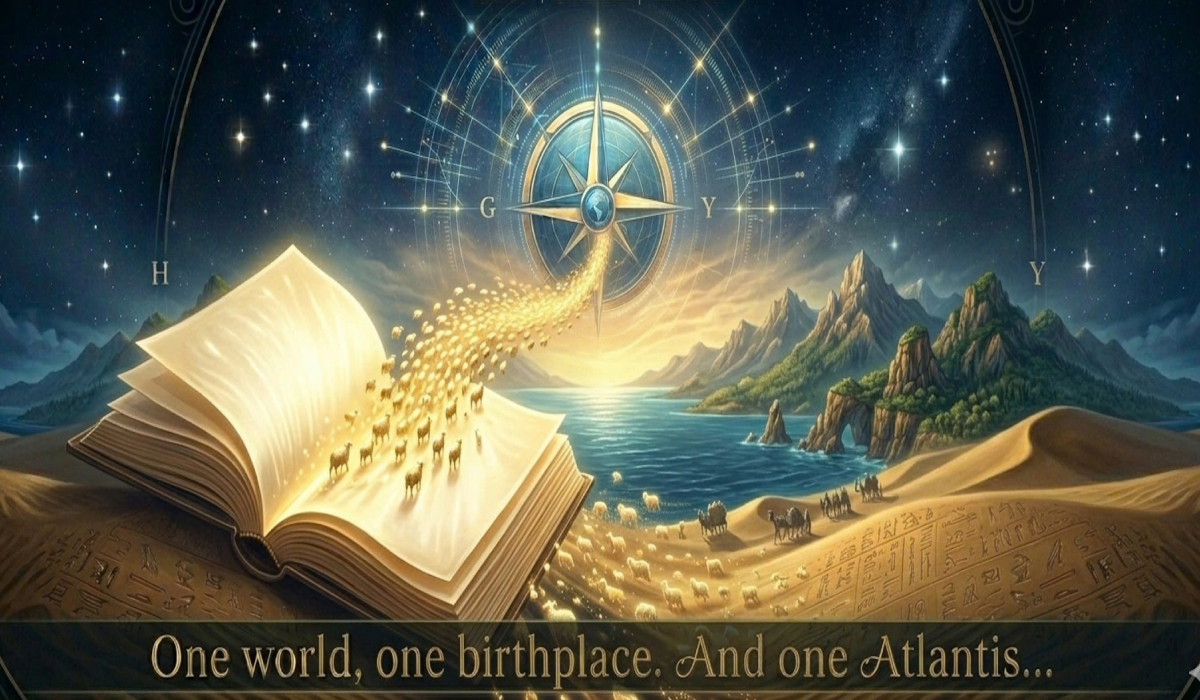
One world, one birthplace. And one Atlantis…
Could we truly exist and persevere in this world without the Divine Light, and the nurturing care of the boundless love of a mother? Each of us was once a minuscule and fragile being, utterly dependent on love and care to thrive. Yet upon reaching adulthood, we sometimes succumb to illusions about our own strength – delusions of status, power, wealth, and fame. Driven by these fantasies, we drift away from compassion, inciting conflict and devastating wars, tearing apart families, inflicting grief upon mothers and even those tiny, fragile beings, forgetting that we were once just like them.
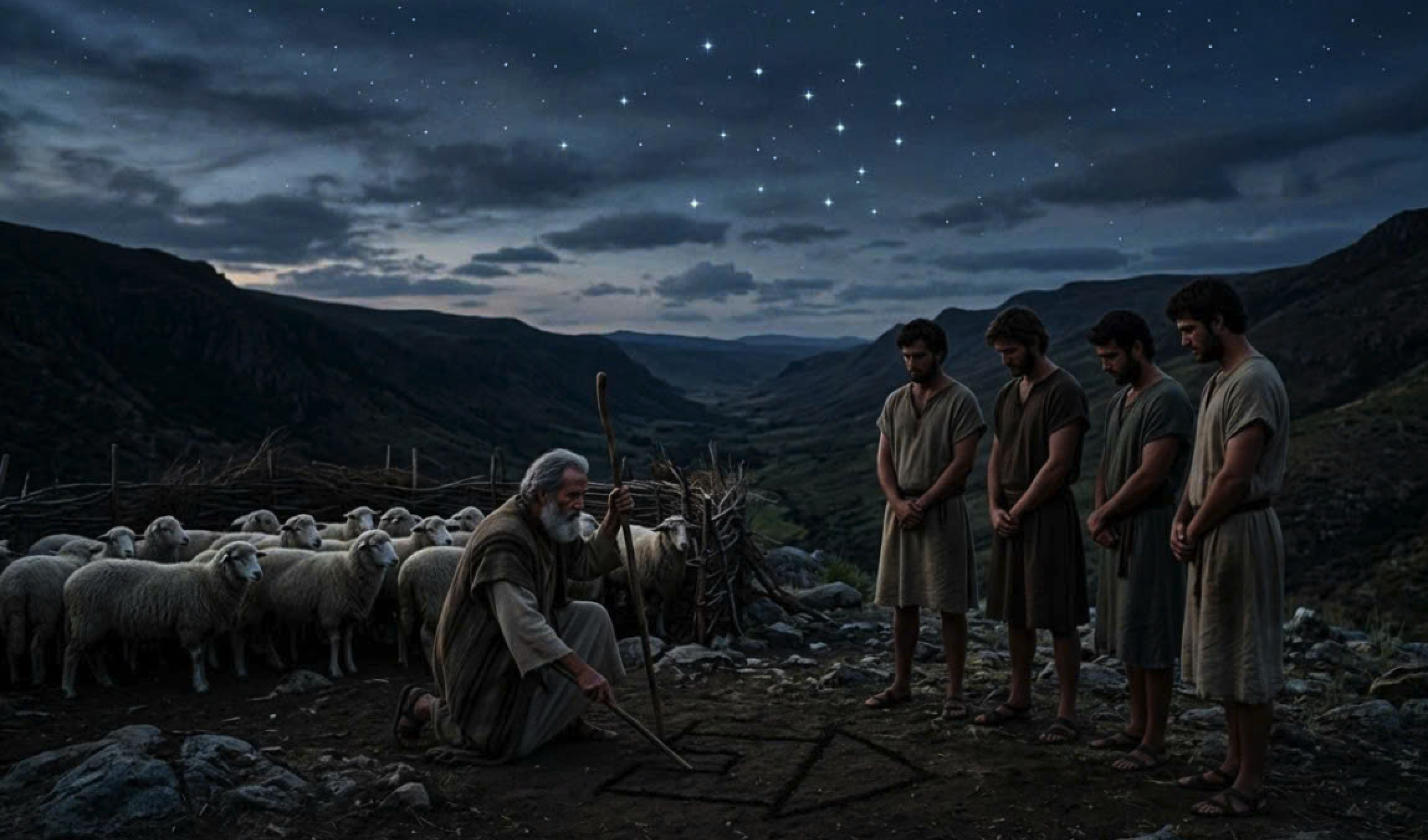
Micae and the Lame Sheep
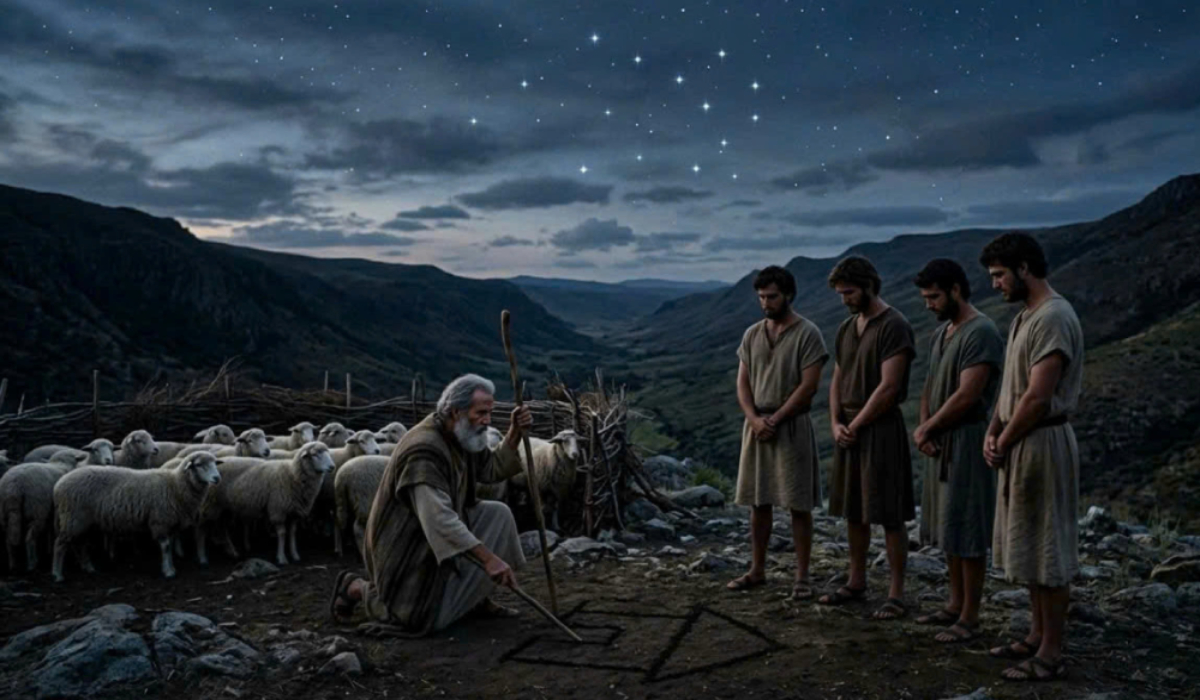
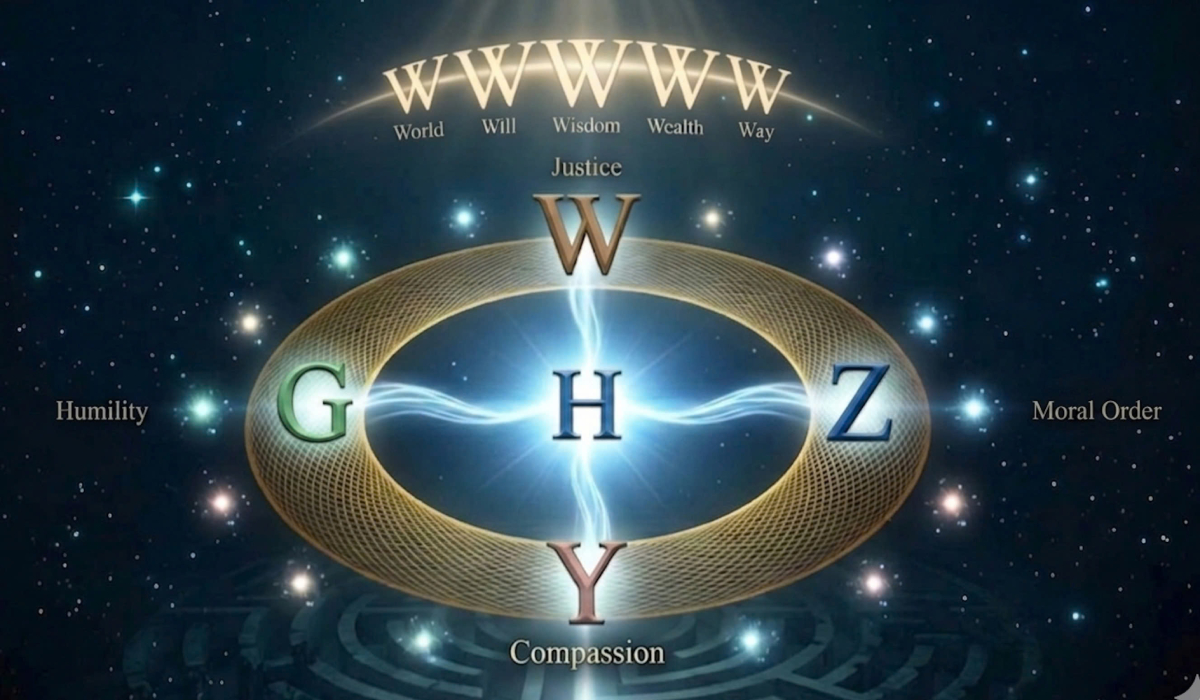
In a remote valley where light and shadow intertwine, there lived a father named Micae. He was not merely a shepherd but a guardian of life’s profound secrets. He had four sons, whom he named after four noble virtues: Humility, Integrity, Order, and Compassion.Beside his four sons, Micae’s only wealth was a flock of 17 sheep. In his eyes, the flock was a miniature universe where each sheep held its own place and purpose. Yet, within the flock, there was a poor sheep with a withered leg. Because of its limp, it always moved slowly and often fell behind, drifting away from the protection and watchful eyes of the group.